CHILDREN & ADULT MIRRORS

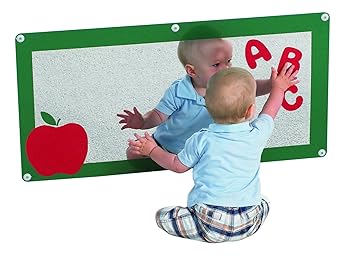
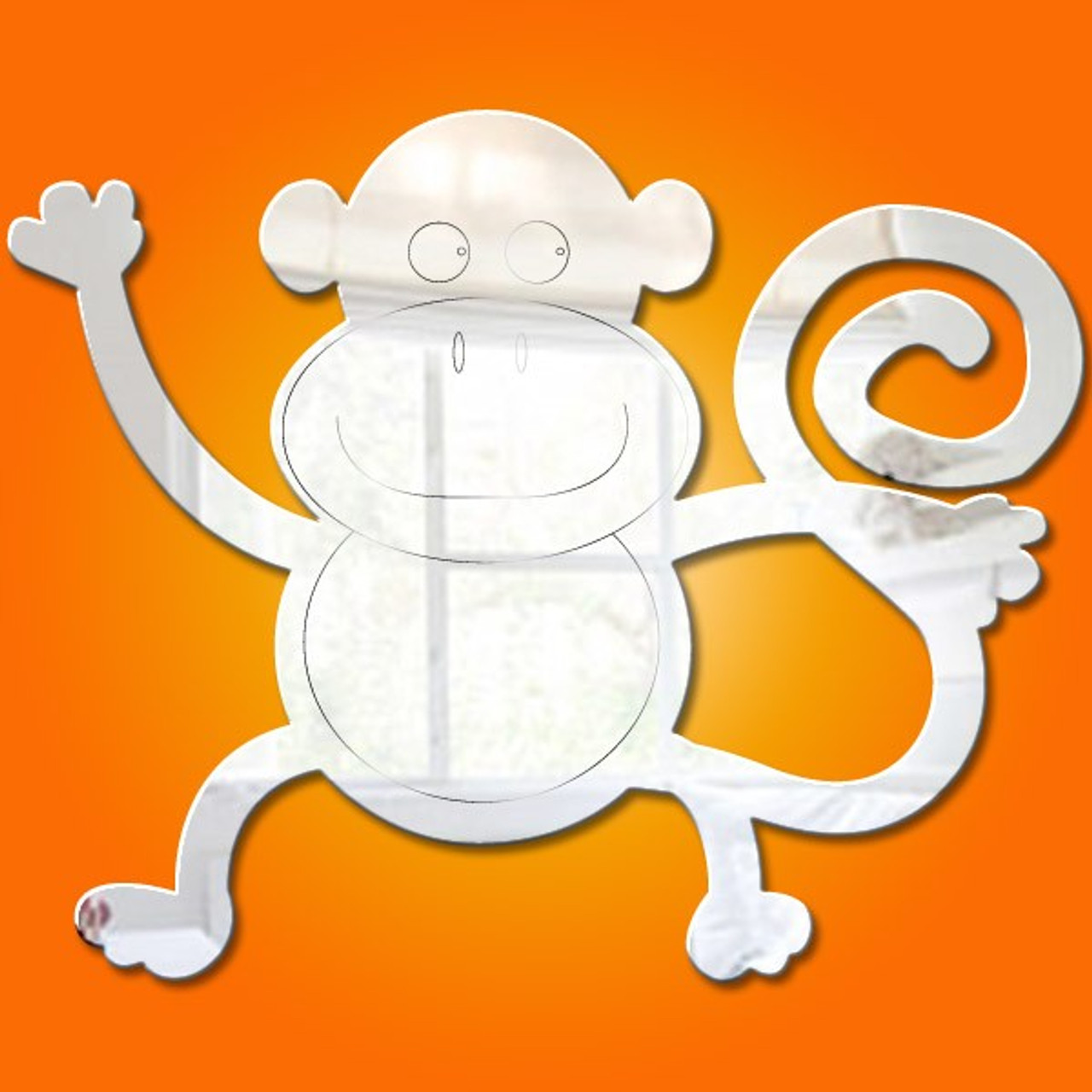
Image result for childrens MIRRORSImage result for childrens MIRRORSRelated imageImage result for childrens MIRRORS

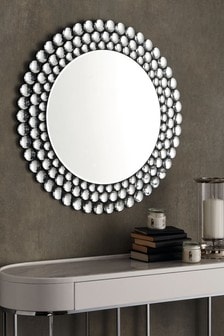
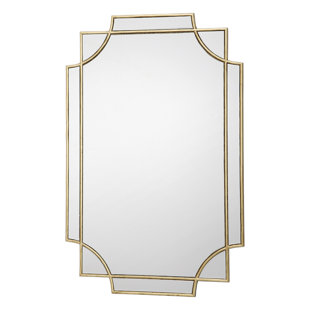
Image result for adult MIRRORSRelated imageRelated imageRelated image

Children’s mirrors are smaller and more colourful, by using characters also to get them more intrigued by looking at themselves and exploring ones identity. It’s scale is quite small in comparison to mirrors used by adults which I interpret as once you boost yourself self esteem the older you get the more likely you would buy a larger mirror perhaps for more self confidence, could be a form of status also by having a larger mirror you are more wealthy (which links to mirrors in the past that those who could afford a mirror were seen as classy and rich). Children’s mirrors also show more of a sense of imagination and creating a surrounding for children to feel free and comfortable within themselves/exploring their reality.

Some more sophisticated home mirrors are normally framed with a beautiful elegant design or thick frame which I initially saw as a way of framing oneself. As we grow older we are more obsessed by our appearance for oneself or others. It can be seen as narcissistic, a sense of ones big personality.
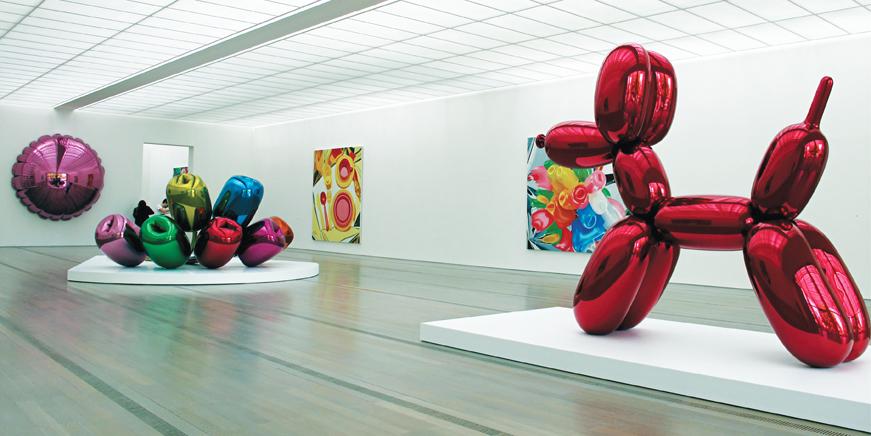
JEFF KOONS

Related imageImage result for jeff koons MIRRORSRelated imageRelated image

Jeff Koons: Mirrors and Reflections

‘He is known for his taboo creativity and playfulness that explores the timeless continuity of the human experience, his obsession with sex and desire as well as the contemporary evolving ideas of celebrity, media, commerce, and fame. There is a certain obsessiveness in Koons work with reflections and mirror imagery. This aspect of his practice, Koons believes, make his art more accessible as an reflective exterior surface affirms the viewer only through their own reflection. “In a reflective surface, your existence is being affirmed. When you move, your abstracted reflection changes. The experience is dependent upon you; it lets you know that art is happening inside of you.”

The Balloon Dog is seen as one of Koons’ most recognisable works. The sculpture suggests, although using a single balloon, the feeling of air connecting through the sculpture as a way give life to an internet object. “Balloon Dog is a very optimistic piece, its a balloon that a clown would have maybe twist for you at a birthday party.  But at the same time there’s the profoundness of an archaic sculpture.  The piece has an interior life while the reflective exterior surface affirms the viewer through their reflection.” Despite being hard and opaque, the sculpture remains light with a sense of.’


His work is playful and contemporary, by his use of material choices and target audience. Sophisticated yet child like.


MIRROR PLAY

I work in a Montessori private nursery and I had a conversation about how the teachers observe their children, how they need one to one sessions and ways to further their knowledge and learning. One teacher (learner-still doing her course) explained to me that she had to come up with an idea for an activity which she was being assessed on. She came up with the idea of having small mirrors for each child in order to look at their reflect and to create a replica of their face on the plate given by using cut up fruit/dry fruit/vegetables. This covered healthy eating, self-awareness (seeing their reality and ones self), learning number and shapes and the ability to explore their imagination.

Image result for mirror play with foodImage result for mirror play with foodRelated image

Dr Ginni Mansberg is a GP – she says that while there are developmental benefits of mirror play parents should just take the time to enjoy the way their babies and toddlers interact with reflective surfaces.

“Doing it with them makes it fun, interactive and can provide an opportunity for unstructured play.Unstructured play is categorised as play with no specific learning objective and its benefits can include protecting children from the effects of stress and, importantly, allowing parents to engage fully with their children.”

http://www.essentialbaby.com.au/toddler/development/why-do-toddlers-love-playing-with-mirrors-20180130-h0qyy7#ixzz5VLthrPuL


REFLECTIONS IN WATER

How we observe our reflection in water is a fascination but what is more fascinating is how do we see our reflection by being within the reflection. Placing yourself in the water to see how your reflection looks at you. The aspect of what is lying underneath.

IMG_9334.jpgIMG_9335.jpg

Roni Horn – ‘To see a landscape of as it is when I am not there.”


Richard Wilson – Seeing ones self on the black floor also observing the what is above you when looking down, giving it a mirror effect by a large reflection feeling that your world is upside down.

Related imageRelated image